
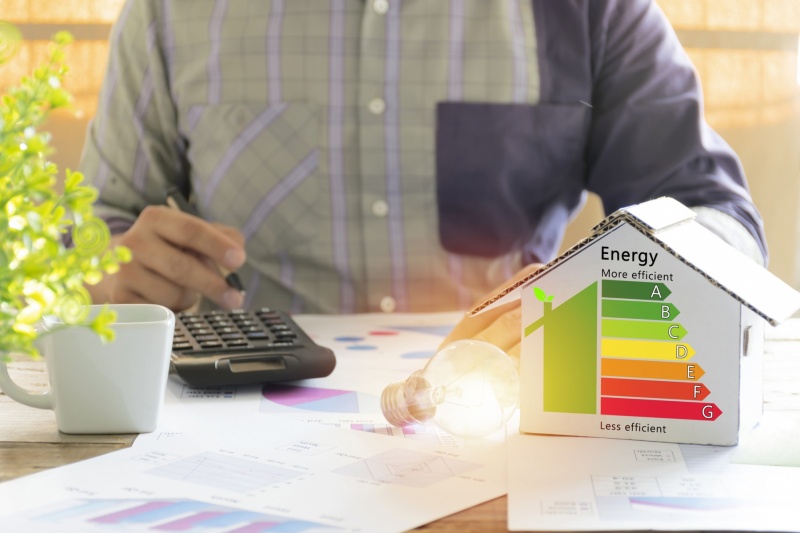
Did you know that the single largest chunk of home energy use is put toward climate control? Heating and cooling your home uses a lot of energy, which means that when the bills come due, it costs a lot of money. But it’s not as though you can simply decide not to heat your home this winter! So what can you do? Before making any decisions, it’s important to evaluate your current system to determine if upgrades or a full heating replacement are needed for better efficiency and savings. Replacing the entire HVAC system, rather than just one component, can ensure better performance, energy efficiency, and proper component compatibility.
Upgrades to your heating system, such as improved insulation or modern equipment, can boost efficiency and comfort. Upgrading to modern heating technologies can also increase your home’s value and attract more buyers if you plan to sell your home.
Several factors, such as the size and layout of your home, the type of system you choose, and the installation process, can affect the cost and effectiveness of heating replacement. The home’s size is a key factor influencing the cost of installing radiant floor heating and replacing HVAC systems, as larger homes typically require more extensive systems and higher installation costs. Upfront installation costs can be significant, but incentives, rebates, and financing options may help offset these expenses. Full HVAC system costs range from $7,000 to $17,000, and the average cost for a full HVAC replacement in a 2,000–2,500 sq ft home in 2025 is approximately $10,000–$20,000, with $14,000 being common. Choosing high-efficiency models that qualify for credits or rebates can help homeowners save on the cost of replacing their HVAC system.
High-efficiency heating systems, such as those with the ENERGY STAR label, can save homeowners up to 20 percent on heating and cooling costs. Heat pump systems are popular in NC, typically priced between $5,000 and $10,000. High-performance heat pump equipment can range from $6,000 to $20,000 for the appliance units alone, with overall costs varying by region. The ‘5,000 rule’ can help you decide whether to repair or replace: multiply your system’s age by the cost of the recommended repair—if the result exceeds $5,000, replacement is usually the better option.
Dual-fuel systems combine a heat pump with a gas furnace, offering efficient operation in moderate weather and effective heating during colder conditions. Natural gas furnaces can provide high-intensity heat where natural gas is available. Ductless mini-splits offer individual temperature control for different areas in a home and are ideal for homes without existing ductwork or for additions. High-efficiency gas furnaces can achieve AFUE ratings of 90% to 98%. Furnaces are the most common home heating option in the US and can run on electricity, natural gas, propane, or heating fuel oil. Boilers work by heating water until it turns into steam, which is then released into the air to heat the space via convectors or radiators, and the cost to install or replace a boiler can range from $2,000 to $20,000 depending on various factors. Heat pumps are the most efficient home heating option available today, as they move heat from the outside air into the home. Radiant floor heating systems distribute heat through a film or mat underneath the floor or through a hydronic system that moves heated water through subfloor piping. Electric resistance heating includes wall heaters and baseboard heaters, which are individual units that can be installed in rooms needing extra heating support. Portable heaters, also known as space heaters, are inexpensive and require no installation, making them a simple option for controlling heat in specific rooms. Furnaces distribute heat quickly, but they are one of the least efficient heating systems due to heat loss through ductwork. The average cost to replace a furnace can range from $1,800 to $4,000 for gas models, and $1,850 to $2,750 for electric models, depending on installation and ductwork conditions.
The process of heating replacement typically involves assessment, system selection, installation, and testing. Proper heating system sizing requires a manual load calculation based on home size and insulation. When you install a new system, professional installation is essential for quality results. Choosing a qualified HVAC professional is crucial for quality, safe, and code-compliant installation, which preserves equipment warranties and ensures years of efficient, reliable comfort. Poor or rushed installations can lead to higher energy bills, voided warranties, and expensive repairs down the road. To ensure a smooth process, homeowners should clear access to their existing equipment and prepare any questions for their technician before replacement.We’ve got some helpful tips for you. Check out these ways to keep your home heating as efficient as possible. You’ll save money in more ways than you might expect!
How Can You Delay Heating Replacement and Lower Winter Heating Costs?
You can delay heating replacement and reduce energy bills by improving your system’s efficiency:
- Schedule annual professional maintenance to keep parts clean and working properly
- Replace air filters regularly to improve airflow and reduce strain
- Seal drafts around windows and doors to prevent heat loss
- Open curtains during the day to use natural sunlight for warmth
- Run ceiling fans clockwise to push warm air back down
- Maintain indoor humidity between 30 to 55 percent for better comfort
These simple steps reduce system wear, improve performance, and help extend the life of your heating equipment.
Introduction to Heating Replacement
When it comes to heating replacement, making the right choice can have a lasting impact on your comfort, safety, and monthly expenses. Upgrading your heating system isn’t just about staying warm—it’s about improving your home’s energy efficiency, reducing energy bills, and enhancing your overall quality of life. With today’s advanced, energy efficient options, such as heat pumps and high-efficiency furnaces, homeowners can enjoy reliable warmth while keeping upfront installation costs and long-term operating expenses in check. It’s also important to consider safety factors, as older systems may pose risks like gas leaks or carbon monoxide exposure. By carefully weighing the benefits and costs of different heating systems, you can select a solution that delivers efficient, safe, and affordable heating for years to come.
Understanding Heating Systems
When it comes to keeping your home comfortable during the cold winter months, understanding your heating system is essential. There are several types of systems that homeowners rely on, including gas furnaces, boilers, heat pumps, and even air conditioning systems that offer both heating and cooling functions. An efficient cooling system is also an important part of the overall HVAC setup, as heat pumps and proper ductwork contribute to year-round comfort and energy efficiency. Each system has its own strengths—gas furnaces are prized for their energy efficiency and consistent performance, while heat pumps stand out for their ability to efficiently heat and cool your home using a single outdoor unit. Heat pumps can also function as air conditioners by reversing the heating process, making them a versatile solution for both heating and cooling needs. The thermostat acts as the control center, helping you manage your home’s temperature and energy use with ease. By learning about the different options and how each system operates, homeowners can make smarter choices about installation, maintenance, and repair, ensuring their heating and cooling equipment works efficiently all winter long.
Heating System Options
Homeowners today have more heating system options than ever before, each offering unique benefits to suit different needs and preferences. Traditional gas furnaces remain a popular choice, especially for homes with existing ductwork, providing powerful and consistent heat. Modern heat pumps, on the other hand, offer both heating and cooling capabilities, making them an excellent solution for those looking to upgrade their entire HVAC system for year-round comfort and energy efficiency. When considering a new heating system, it’s wise to consult with an HVAC professional who can assess your home’s size, insulation, and ductwork to recommend the best fit. The home’s size is a key factor influencing both the cost and the type of system needed, as larger homes typically require more extensive systems and result in higher installation costs. Additional factors like noise level, the potential for strange noises, cold spots, and the compatibility of a new thermostat should also be taken into account. By evaluating these elements, homeowners can choose a system that not only meets their heating and cooling needs but also operates efficiently and quietly throughout the seasons.
Signs You Need a Heating Replacement
Is your heating system struggling to keep your home comfortable, or are you noticing higher energy bills each month? Sometimes, routine maintenance and repairs just aren’t enough to keep your system running efficiently. Here are some clear signs it might be time to consider a heating replacement:
- Uneven heating and cold spots: If certain rooms in your house are consistently colder than others, your heating system may be losing efficiency or struggling with issues in the ductwork or insulation. An updated, energy efficient system can help distribute heat more evenly throughout your home, eliminating those frustrating cold spots.
- Frequent repairs: Are you calling for repairs more often than you’d like? Frequent breakdowns can quickly add up in cost and signal that your current system is nearing the end of its useful life. Investing in a new system can save you money in the long run and reduce the hassle of constant repairs.
- Rising energy bills: If your utility bills are climbing even though your usage hasn’t changed, your heating system may be working harder than it should to keep up. Upgrading to a modern, energy efficient heating system can help lower your energy bills and keep your home comfortable all winter.
- Strange noises: Unusual sounds like banging, clanking, or whistling coming from your heating system often indicate worn-out components or internal issues. These noises can be a warning that your system is on its last legs and may soon require replacement.
- Age of the system: Most heating systems have a lifespan of about 15 years. If yours is approaching or past this point, it’s likely not operating as efficiently as newer models. Replacing an aging system can improve performance, reduce energy use, and help you avoid costly repairs.
- Gas leaks and carbon monoxide concerns: Safety should always come first. If you suspect a gas leak or are worried about carbon monoxide, it’s crucial to have your system inspected immediately. Older or malfunctioning systems can pose serious health risks, and replacement is often the safest solution.
- Routine maintenance isn’t enough: If you find that even with regular maintenance, your system still isn’t performing efficiently or requires frequent attention, it may be time to consider a new, more reliable heating solution.
If you’re experiencing any of these issues, don’t wait until your system fails completely. Consulting with an HVAC professional can help you determine whether a replacement is the best option for your home. With professional installation, you’ll enjoy a new, energy efficient heating system that keeps your home warm, safe, and comfortable—while saving you money on energy bills for years to come.
Benefits of New Heating Systems
Investing in a new heating system brings a host of advantages that go beyond just keeping your home warm. Modern systems are designed for maximum energy efficiency, which means you’ll see a noticeable drop in your energy bills and utility costs. Advanced features like programmable thermostats, zone controls, and improved air filtration help maintain consistent comfort and better indoor air quality. New heating systems are also built with safety in mind, reducing the risk of gas leaks, carbon monoxide exposure, and costly repairs down the line. By choosing an energy efficient system that works harder and smarter, you can enjoy reliable performance, fewer breakdowns, and a healthier living environment—all while increasing your home’s value and saving money over time.
What to Expect During the Replacement Process
Replacing your heating system is a straightforward process when handled by a qualified HVAC professional. It typically begins with a thorough assessment of your home’s heating and air needs, followed by personalized recommendations for the most efficient system. Once you’ve selected your new heating system, the old equipment will be carefully removed, and the new unit will be installed with attention to detail and safety. Your contractor may suggest upgrades such as ductwork sealing, improved insulation, or enhanced air filtration to boost your new system’s performance and efficiency. After installation, the system will be tested and inspected to ensure everything is running smoothly and efficiently. By understanding each step of the process, you can feel confident that your replacement will be handled efficiently, resulting in improved comfort and lower energy use for your home.
Choosing the Right Heating System
Selecting the ideal heating system for your home involves more than just picking the latest model—it requires a thoughtful evaluation of your home’s unique characteristics and your family’s needs. Factors such as your home’s size, insulation quality, window efficiency, and overall energy efficiency goals should all play a role in your decision. Consulting with an HVAC professional is essential to ensure you choose a system that’s properly sized and tailored to your space. Consider not only the upfront installation costs but also the long-term benefits of energy efficient features like programmable thermostats, zone controls, and advanced air purification. Routine maintenance and professional installation are key to maximizing your new system’s efficiency and lifespan. By taking the time to compare options and prioritize quality, you’ll enjoy a warm, comfortable home that operates efficiently and affordably throughout the winter and beyond.
Importance of Proper Installation
Proper installation is the foundation of a safe, efficient, and long-lasting heating system. When your heating system is installed by a professional, you can trust that every detail—from ductwork to insulation—is carefully considered to match your home’s unique needs. This attention to detail helps your system operate efficiently, reducing energy bills and minimizing the risk of frequent repairs. A professional installation also guards against serious hazards like gas leaks and carbon monoxide, protecting your family’s health and safety. Beyond safety, a well-installed system delivers even heating throughout your house, improves indoor air quality, and keeps noise levels low. By investing in quality installation from an experienced HVAC contractor, homeowners can avoid costly repairs down the road and enjoy a heating system that works efficiently for years to come. Remember, cutting corners on installation can lead to higher costs and headaches—choose professional installation to save money and ensure your system performs at its best.
HVAC Replacement Costs
Replacing your entire HVAC system is a significant investment, but understanding the costs involved can help you make a smart, budget-friendly decision. The price of a new system depends on several factors, including the type of equipment you choose, the size and layout of your home, and the quality of the installation. On average, homeowners can expect to pay anywhere from $2,500 to over $45,000 for a new HVAC system, with most falling in the mid-range depending on their needs. While upfront installation costs may seem high, a new, energy efficient system can quickly pay for itself by lowering your energy bills and reducing the likelihood of costly repairs. Many homeowners take advantage of financing options, rebates, and incentives to help manage these expenses. Routine maintenance is also key—by keeping your new system in top shape, you’ll extend its life, maintain high efficiency, and avoid unexpected repair costs. Consulting with a trusted HVAC professional will help you find the best system for your home and budget, ensuring you get the most value from your investment.
Commit to Annual Maintenance
Your heating system needs regular, professional service to work efficiently. Regular maintenance is important for all types of heating systems, including boilers and heat pumps, to ensure safety and optimal performance. Maintenance will clean away dust that clogs airflow and grime that works its way between moving parts. It will re-lubricate various components, reducing friction. This will cut down on the strain to the system, and allow it to operate less of the time while creating just as much heat, reducing your energy costs. Heat pumps are generally easier and less costly to maintain than traditional boilers, making them a more convenient option for many homeowners. Choosing a provider who delivers quality service and uses high-quality equipment is essential for ensuring the reliability and longevity of your heating system.
Here’s where it gets even better: maintenance will reduce other costs, as well. A well-maintained system doesn’t have to work harder and is less likely to lose efficiency over time. Up to 85% of the repairs your heating system would otherwise need can be eliminated thanks to the cleaning, lubrication, inspecting, and testing that happens during maintenance. Sealing air leaks and upgrading insulation can further reduce the workload on your heating system, helping it last longer and operate more efficiently. Maintaining your heating system, whether it’s a boiler or a heat pump, is essential for efficiency and safety. Heat pumps are safer than traditional systems because they do not involve combustion, eliminating risks of gas leaks or carbon monoxide poisoning. They also provide maximum energy efficiency and can significantly reduce your energy bills. And reducing wear and tear this way will extend the life expectancy of the heating system, so you won’t have to purchase a new one as soon.
Use Your Ceiling Fans
When hot air doesn’t get moved around, it pools up around the ceiling, where you don’t get to benefit from it. Using your ceiling fans—always set to spin clockwise in the winter—can make your home so much more cozy and comfortable that you can lower your thermostat a good few degrees. The effectiveness of this strategy can depend on your home’s size, as larger spaces may require more strategic airflow management to ensure even heat distribution. This will allow your heating system to spend less time (and less of your money) running.
Consider the Sunshine
During the hot Tennessee summers, we’re accustomed to blocking out the sun when it hits our windows, to avoid a greenhouse effect. But in the winter, you want to soak up that sun! Make sure curtains or blinds are open in the places that get direct sun.
Plug the Leaks
Drafty spots are most likely to be found around window and door frames. Upgrades such as air sealing and insulation can significantly improve your home’s energy efficiency, help your heating system operate more efficiently and last longer, and lower your utility bills. There are many affordable solutions, like rope caulk and adhesive foam strips, which can keep the cold air out and the heat in. For the bottom of your door, if there’s a larger gap, you can get a weatherizing strip or simply use a sand-filled cloth “door snake” to block the freezing breeze. Additionally, making these upgrades may qualify you for rebates or incentives, further increasing your energy savings.
Watch the Humidity
When the air gets very dry in the winter, it doesn’t do as good a job holding onto heat. In fact, the dryness itself can draw moisture and warmth from your body, making you feel cold even at the same temperature that would be perfectly comfortable with a bit more humidity. Ideal winter humidity in the home is generally considered to be between 30 and 55%. If your home is too dry, consider a humidifier.
Troubleshooting Common Issues
Even the best heating system can run into trouble from time to time, but catching problems early can save you from bigger headaches down the road. If you notice uneven heating—like cold spots in certain rooms—it could be due to poor insulation, leaky ductwork, or equipment that isn’t sized properly for your home. Frequent repairs are another red flag, often signaling that your gas furnace or air conditioner may be nearing the end of its life or suffering from underlying issues. If these issues persist, it may be time to replace your heating or cooling system with a newer, more efficient model. High energy bills can also point to inefficiencies, whether from aging equipment, clogged filters, or gaps in your insulation. By keeping an eye out for these concerns and addressing them promptly, homeowners can help their heating system run more efficiently, reduce energy bills, and avoid costly repairs.
Staying Safe and Warm
Keeping your home safe and warm during winter goes beyond just turning up the heat. Routine maintenance is key to catching potential issues before they become costly repairs, while professional installation ensures your heating system operates efficiently and safely. Regular inspections by an HVAC professional can help detect hazards like gas leaks or carbon monoxide, which are serious concerns for any homeowner. Upgrading to energy efficient solutions, such as a modern heat pump or a high-efficiency air conditioning system, can further reduce your energy bills and minimize the risk of unexpected breakdowns. Systems like heat pumps can also provide cooling benefits during the summer, helping keep your home comfortable year-round. Additionally, replacing older systems with ENERGY STAR-rated units can improve efficiency and comfort during hot summer periods. By prioritizing safety and efficiency, you can enjoy a warm, comfortable home all winter long—without worrying about costly surprises.
Follow these tidbits of advice and you’ll be able to cut down on your heating system use, energy bills, and repair needs, and postpone the replacement of your heating system. It all starts with heating maintenance in Brentwood, TN. Schedule that now!
Frequently Asked Questions
Question: How can I save money on heating bills during the winter?
Answer: You can reduce heating costs by improving insulation, sealing air leaks, and scheduling routine furnace maintenance. Simple steps like adjusting your thermostat, using a programmable thermostat, and replacing air filters regularly can also improve efficiency and help keep your monthly utility bills under control.
Question: Does regular heating maintenance really improve efficiency?
Answer: Yes, routine maintenance helps your heating system run more efficiently by ensuring all components are clean, properly adjusted, and functioning safely. A professional inspection can catch worn parts or airflow issues early, helping your system use less energy while maintaining consistent indoor comfort.
Question: What thermostat settings help lower winter heating costs?
Answer: Lowering your thermostat a few degrees when you are asleep or away from home can significantly reduce heating expenses. Using a programmable or smart thermostat allows you to automate temperature adjustments, improving efficiency without sacrificing comfort during the coldest months.
Question: How do air filters affect heating performance?
Answer: Dirty air filters restrict airflow, forcing your heating system to work harder and consume more energy. Replacing filters regularly helps maintain proper airflow, improves indoor air quality, and reduces strain on the system, which can extend equipment lifespan and lower energy costs.
Question: When should I call a professional for heating service?
Answer: You should contact a professional if you notice uneven heating, unusual noises, rising energy bills, or frequent cycling. Addressing issues early helps prevent more serious breakdowns and keeps your system operating safely and efficiently throughout the winter season.
Covenant Heating and Cooling is your trusted resource for reliable heat pump repair in Nashville, TN. We are “Dedicated to the Promise of Serving You!” Contact us today.