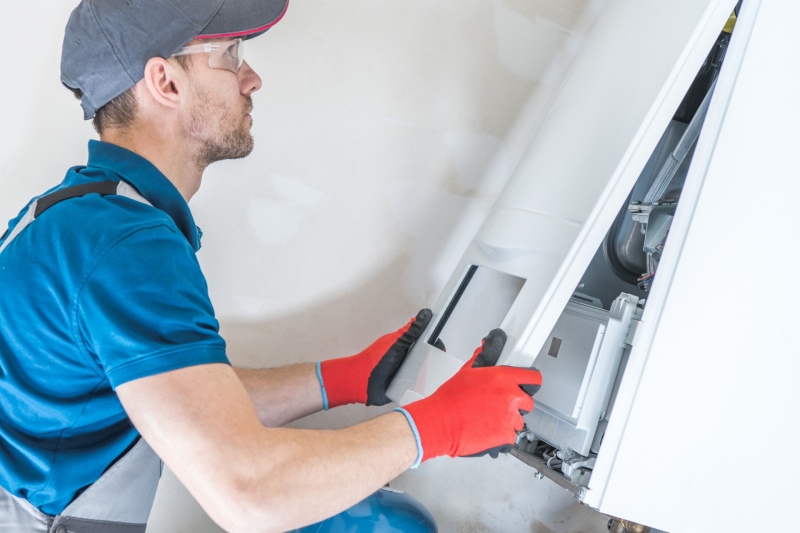
Heating and cooling costs make up the biggest chunk of your household energy consumption. These bills can be quite hefty! But you can’t simply decide not to heat or cool your home. It’s necessary, not just for your comfort, but for your safety. How can you lower those monthly energy costs while staying safe and comfortable? With a heat pump! Now is the perfect time to get one. Here’s why.
It’s Finally Time to Invest in a Heat Pump!
December 16th, 2024Save Money! Heat More Efficiently This Winter
December 2nd, 2024Did you know that the single largest chunk of home energy use is put toward climate control? Heating and cooling your home uses a lot of energy, which means that when the bills come due, it costs a lot of money. But it’s not as though you can simply decide not to heat your home this winter! So what can you do? Before making any decisions, it’s important to evaluate your current system to determine if upgrades or a full heating replacement are needed for better efficiency and savings. Replacing the entire HVAC system, rather than just one component, can ensure better performance, energy efficiency, and proper component compatibility.
Upgrades to your heating system, such as improved insulation or modern equipment, can boost efficiency and comfort. Upgrading to modern heating technologies can also increase your home’s value and attract more buyers if you plan to sell your home.
Several factors, such as the size and layout of your home, the type of system you choose, and the installation process, can affect the cost and effectiveness of heating replacement. The home’s size is a key factor influencing the cost of installing radiant floor heating and replacing HVAC systems, as larger homes typically require more extensive systems and higher installation costs. Upfront installation costs can be significant, but incentives, rebates, and financing options may help offset these expenses. Full HVAC system costs range from $7,000 to $17,000, and the average cost for a full HVAC replacement in a 2,000–2,500 sq ft home in 2025 is approximately $10,000–$20,000, with $14,000 being common. Choosing high-efficiency models that qualify for credits or rebates can help homeowners save on the cost of replacing their HVAC system.
High-efficiency heating systems, such as those with the ENERGY STAR label, can save homeowners up to 20 percent on heating and cooling costs. Heat pump systems are popular in NC, typically priced between $5,000 and $10,000. High-performance heat pump equipment can range from $6,000 to $20,000 for the appliance units alone, with overall costs varying by region. The ‘5,000 rule’ can help you decide whether to repair or replace: multiply your system’s age by the cost of the recommended repair—if the result exceeds $5,000, replacement is usually the better option.
Dual-fuel systems combine a heat pump with a gas furnace, offering efficient operation in moderate weather and effective heating during colder conditions. Natural gas furnaces can provide high-intensity heat where natural gas is available. Ductless mini-splits offer individual temperature control for different areas in a home and are ideal for homes without existing ductwork or for additions. High-efficiency gas furnaces can achieve AFUE ratings of 90% to 98%. Furnaces are the most common home heating option in the US and can run on electricity, natural gas, propane, or heating fuel oil. Boilers work by heating water until it turns into steam, which is then released into the air to heat the space via convectors or radiators, and the cost to install or replace a boiler can range from $2,000 to $20,000 depending on various factors. Heat pumps are the most efficient home heating option available today, as they move heat from the outside air into the home. Radiant floor heating systems distribute heat through a film or mat underneath the floor or through a hydronic system that moves heated water through subfloor piping. Electric resistance heating includes wall heaters and baseboard heaters, which are individual units that can be installed in rooms needing extra heating support. Portable heaters, also known as space heaters, are inexpensive and require no installation, making them a simple option for controlling heat in specific rooms. Furnaces distribute heat quickly, but they are one of the least efficient heating systems due to heat loss through ductwork. The average cost to replace a furnace can range from $1,800 to $4,000 for gas models, and $1,850 to $2,750 for electric models, depending on installation and ductwork conditions.
The process of heating replacement typically involves assessment, system selection, installation, and testing. Proper heating system sizing requires a manual load calculation based on home size and insulation. When you install a new system, professional installation is essential for quality results. Choosing a qualified HVAC professional is crucial for quality, safe, and code-compliant installation, which preserves equipment warranties and ensures years of efficient, reliable comfort. Poor or rushed installations can lead to higher energy bills, voided warranties, and expensive repairs down the road. To ensure a smooth process, homeowners should clear access to their existing equipment and prepare any questions for their technician before replacement.We’ve got some helpful tips for you. Check out these ways to keep your home heating as efficient as possible. You’ll save money in more ways than you might expect!
How Can You Delay Heating Replacement and Lower Winter Heating Costs?
You can delay heating replacement and reduce energy bills by improving your system’s efficiency:
- Schedule annual professional maintenance to keep parts clean and working properly
- Replace air filters regularly to improve airflow and reduce strain
- Seal drafts around windows and doors to prevent heat loss
- Open curtains during the day to use natural sunlight for warmth
- Run ceiling fans clockwise to push warm air back down
- Maintain indoor humidity between 30 to 55 percent for better comfort
These simple steps reduce system wear, improve performance, and help extend the life of your heating equipment.
Common Heat Pump Repair Needs
November 18th, 2024When something goes wrong with your heat pump, it may come as quite a surprise. We, on the other hand, deal with heat pumps every day. Nothing surprises us! If you want to make our jobs easier—which also means making your repairs quicker and less expensive—you’ll want to notice quickly when something goes wrong and have it fixed right away.
How can you tell that it’s time to get your heat pump repaired? You’ve got to know how to spot the signs that something is wrong! And what could be wrong with your heat pump? Here are some of the most common heat pump repair needs that we see all the time.
Is It Time to Replace My Furnace?
November 4th, 2024The temperatures are dropping. The cool breezes are picking up. Yes, autumn in Tennessee is spectacular. It might just be the perfect time of year! But sooner or later, the temperatures will drop even more, the breezes will go from cool to freezing, and you’ll need to know that you can rely on your heating system. Well, can you? Or might it be on its last legs?
A furnace can last for many years, especially if it receives maintenance every single year. Sadly, though, nothing lasts forever. One day, the time will come when a furnace is ready to retire, and you’ll have to get a new one. Has that day arrived? We’ll help you figure that out.
How do you know when it’s time to replace your furnace?
You may need to replace your furnace if:
- Your system is 15 to 20 years old and nearing the end of its lifespan
- Repairs are becoming frequent or expensive
- Energy bills are steadily increasing despite normal usage
- Your home has uneven heating or comfort issues
Your furnace makes unusual noises or struggles to keep up in cold weather
Avoid Heating Repairs with Routine Maintenance
October 21st, 2024How often do you think it’s reasonable for heating systems to need repair? Every few years? Once a year? More than once? What about actual system breakdowns, when you’re not just concerned about an odd noise or the heat not being evenly distributed, but your whole heating system has stopped working completely?
We’ve got news for you: almost all of these situations can be completely prevented. Yes, that’s right, whatever number of heating repair needs you’re used to dealing with, approximately 85% of them are unnecessary. How can you avoid heating system issues and breakdowns and make sure you’ll rarely if ever need repairs? With routine maintenance. Here’s the drill.
Does My Gas Fireplace Need Repair?
October 7th, 2024A gas fireplace can really make a house feel cozy and homey. It’s beautiful and creates a traditional, wholesome atmosphere without all the mess and fuss of a wood-burning fireplace. And as autumn creeps closer and closer to winter, it’s the perfect time to use your fireplace and settle in with a warm mug of something and enjoy the season.
That means you’ll be turning on your gas fireplace for the first time in quite a while, probably since last spring. Is it in good condition? Does it need any repair in order to burn safely and keep you properly cozy? Here are some signs to keep an eye out for. If you spot any of these, it’s time for gas fireplace repair.
Signs Your Ductwork Needs to Be Replaced
September 23rd, 2024Ahh, ductwork, the unsung hero of the HVAC system! It does an incredible job, all year round, of carrying heated and cooled air throughout your house. It lurks within your walls or up in your attic, unseen and rarely remembered. But it is so important! We’d like to urge you to think about it now, and consider how it is doing.
But perhaps it’s hard to tell what sort of condition your ductwork is in. After all, you can’t see it. You certainly can’t see inside of it. So you have to be a ductwork detective. We’ll tell you the signs to watch for, so you can determine if your ductwork needs to be checked on by a professional and possibly replaced.
HVAC Problems: Is It Your AC or Your Ducts?
September 9th, 2024If something is odd or going wrong when you’re running your air conditioner, it could indeed be that you need air conditioner repair. On the other hand, your air conditioner might be just fine. It’s possible that the problem is located in your ductwork instead! So what kind of repairs do you need? How can you tell? Might you be able to resolve a simple problem yourself? Perhaps!
It’s always a good idea to think things through and check on a couple of possible issues before you decide you need professional HVAC repairs. We’ll give you a quick checklist that can help you eliminate minor problems and give you a better idea of whether it’s your AC or your ducts causing your issue.
How High-Efficiency Air Conditioners Save Energy
August 26th, 2024The constant march of progress is always moving things forward, and one of the ways things are changing the most in recent years has to do with efficiency. Americans put the largest share of home energy use toward heating and cooling, and it costs a bundle! Anything you can do to use less energy will cut your utility bills, and AC manufacturers have been working to help you there.
New air conditioners are being made which are able to work at least as well as the older models did, but without using nearly as much energy. Miraculous! What’s different about the new high-efficiency air conditioners that allows them to work so well and save so much energy? Here are the details.
Is There Mold in Your Ducts?
August 12th, 2024Air ducts, connecting your AC and furnace to the vents throughout your home, are out of sight and often out of mind. There they sit, behind your walls or in your attic or crawl space, forgotten. How long have they been in place? And, since you can’t see inside them, what could have gotten in there? Unfortunately, there could be an unpleasant answer.
Dark and out-of-the-way places are inviting to small things like bugs and mice. Snakes have even been known to slither into them during the winter to keep warm! You might be able to hear pests as they move, but one thing you definitely won’t hear is mold. How can you tell if mold is growing in your ducts? Is it a serious problem if it’s there? And how can you eliminate it? We’ve got answers for you.