
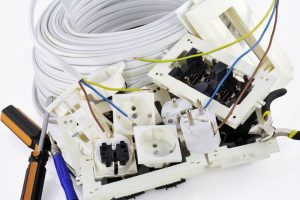
 Of all the issues that can impact various areas of your home, electrical problems can be the most dangerous. A plumbing problem can inflict a lot of water damage, but an electrical problem can potentially cause house fires or electrocution. It’s essential that you have a professional electrician check the wiring in your home at least once every few years. Otherwise, you’re substantially increasing the likelihood that a problem will occur.
Even with routine maintenance appointments, there’s still a chance that an electrical problem can happen in your home. You should be familiar with some of the telltale signs of an electrical problem, so that you can contact an electrician as soon as possible. We’ve named some of these signs below.
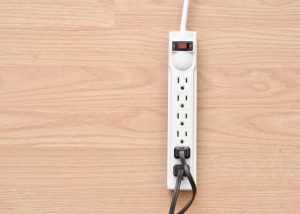 If your home is anything like the average American home, you have a lot more electrical equipment and appliances in it than ever before. You probably have multiple devices connected to your power supply and electrical grid at any given time, right? That’s great, but it’s important to know the best way to protect your appliances and power charging stations.
 What is this one thing, you ask? A dirty air filter!
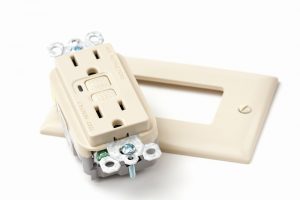 Your household’s electrical grid is easily one of the most important components in the living space. Each of your appliances requires this system to work—even gas-powered heaters use an electric starter. If your electrical system is malfunctioning, you can experience all kinds of problems.
 If that heatwave last week was any indication, springtime is here to remind us that soon enough, we will need our air conditioners on a daily basis. Is your cooling system ready for a full season of work though?
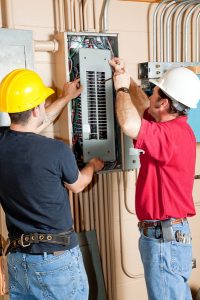 Also called the circuit breaker panel, the electrical panel of your home serves as the central hub for your entire electrical system. It’s where the incoming electricity is routed to the different circuits. The breakers are designed to shut off circuits in case of a voltage overload. If you have an aging circuit breaker panel, it’s wise to ensure you aren’t overdue for an upgrade, given the higher electrical demands we have all put on our homes in recent years.
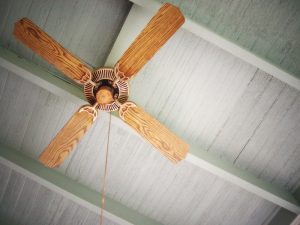 Ceiling fans don’t seem like that complicated of an appliance right? When you want your home to be cool, you turn your ceiling fans on, and that’s that, right?
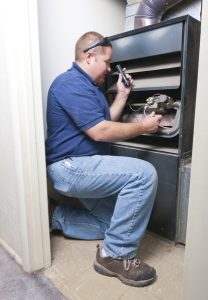 With how much we use our heating systems during the winter, it’s no secret that homeowners would like to do everything they can to avoid costly utility bills. Sure, your energy bills are going to raise in the wintertime (as well as the summer time) as your HVAC systems take up about half of all your energy use. But that doesn’t mean there aren’t steps you can take to increase their efficiency and thereby lower the costs a bit.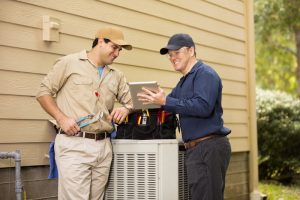
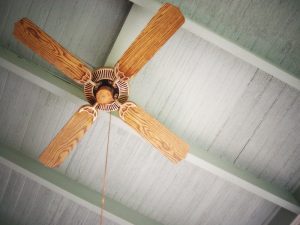 Ceiling fans are often talked about this time of year—and we’ll get to why we’re talking about them now later in this post—but something that a lot of homeowners don’t really realize is that celing fans do not actually cool the air in the room where they’re running.