
 We’ll start off by saying that if it’s been longer than 3 months, then the time to change it is now, especially if that air filter is also used for your central air conditioning system. We want you to be able to get the most efficient and effective use out of both of your HVAC systems as you can. And considering how much you use both, chances are you’d like to do anything you can to prevent unexpected Hendersonville, TN furnace services.
One proven way to do so is by performing one small maintenance task that’s easy to do on your own—changing the air filter. You may be surprised to find just how important this component is to your furnace. It’s about much more than protecting your indoor air quality. In fact, protecting air quality isn’t even its purpose! So, what is?
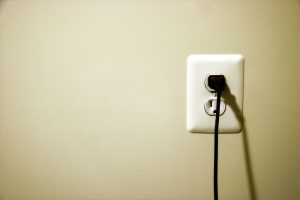 Whether we’re talking about rewiring or an electrical panel upgrade, chances are if you’re in a home over a few decades old, you’re going to need one or both of them at some time. Electrical problems are nothing to mess with. While a plumbing problem can inflict water damage and an HVAC issue can inconveniently leave you uncomfortable for a little while, electrical problems are actually dangerous.
 No, we’re not talking about surge protection. Though that is an important addition to your electrical system to protect your electronics and appliances from power surges, what we’re actually talking about is your generator. If you already have a whole-house generator in place, then you’re in good shape. But how well are you taking care of that system? It may be time for you to call for your annual
 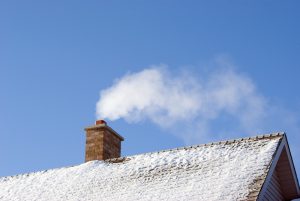 With temperatures finally cooling down for the season, you’re probably just about ready to shut down your AC system in favor for your heater.
 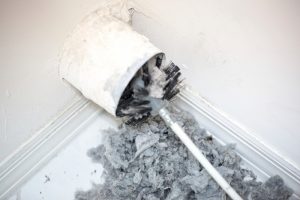 If you are anything like the average homeowner, you probably don’t give a whole lot of thought to the condition of your home’s HVAC ductwork. Of course, with its placement, we wouldn’t expect you to give it much thought. After all, ducts are typically hidden form sight, traveling through space between walls and through your attic. Exposed ducts often look fine in big industrial or commercial spaces, but not so much in residential homes.
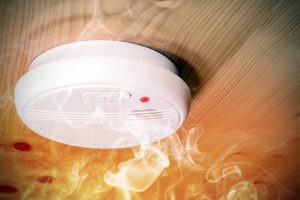 Of course, there’s never a bad time to test your carbon monoxide or smoke detectors. But as we edge closer to cooler temperatures, it is especially important to mention this, since soon enough you’ll be using your heating system on a regular basis. While heaters are not always the cause of house fires or CO exposure risk, they certainly can cause a home hazard if not properly maintained.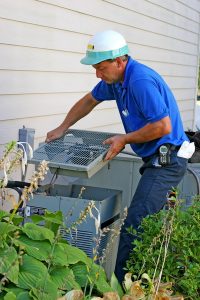
 The official end of summer may be just a few weeks away, however, if you’ve lived here for even just a year, then you know how the heat and humidity can linger. Therefore, if something is wrong with your air conditioner, then you want
 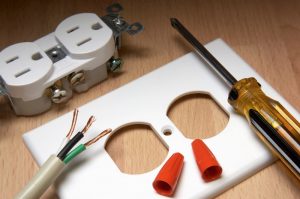 When it comes to having electrical work done in your home, you probably know already that there are safety risks involved. But still, it seems more convenient and less costly to try to complete electrical installations and wiring jobs on your own, doesn’t it? Unfortunately, in most cases, you’ll be sacrificing your time and effort in doing so, as well as potentially your safety.
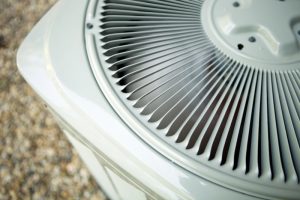 One of the most common misconceptions we encounter in the HVAC world from our customers is that “the bigger the air conditioner you get for your home, the better.” This actually isn’t true at all, and it leads homeowners to getting an AC system that costs too much and doesn’t do an efficient job of cooling the home.