

Did you know that the single largest chunk of home energy use is put toward climate control? Heating and cooling your home uses a lot of energy, which means that when the bills come due, it costs a lot of money. But it’s not as though you can simply decide not to heat your home this winter! So what can you do? Before making any decisions, it’s important to evaluate your current system to determine if upgrades or a full heating replacement are needed for better efficiency and savings. Replacing the entire HVAC system, rather than just one component, can ensure better performance, energy efficiency, and proper component compatibility.
Upgrades to your heating system, such as improved insulation or modern equipment, can boost efficiency and comfort. Upgrading to modern heating technologies can also increase your home’s value and attract more buyers if you plan to sell your home.
Several factors, such as the size and layout of your home, the type of system you choose, and the installation process, can affect the cost and effectiveness of heating replacement. The home’s size is a key factor influencing the cost of installing radiant floor heating and replacing HVAC systems, as larger homes typically require more extensive systems and higher installation costs. Upfront installation costs can be significant, but incentives, rebates, and financing options may help offset these expenses. Full HVAC system costs range from $7,000 to $17,000, and the average cost for a full HVAC replacement in a 2,000–2,500 sq ft home in 2025 is approximately $10,000–$20,000, with $14,000 being common. Choosing high-efficiency models that qualify for credits or rebates can help homeowners save on the cost of replacing their HVAC system.
High-efficiency heating systems, such as those with the ENERGY STAR label, can save homeowners up to 20 percent on heating and cooling costs. Heat pump systems are popular in NC, typically priced between $5,000 and $10,000. High-performance heat pump equipment can range from $6,000 to $20,000 for the appliance units alone, with overall costs varying by region. The ‘5,000 rule’ can help you decide whether to repair or replace: multiply your system’s age by the cost of the recommended repair—if the result exceeds $5,000, replacement is usually the better option.
Dual-fuel systems combine a heat pump with a gas furnace, offering efficient operation in moderate weather and effective heating during colder conditions. Natural gas furnaces can provide high-intensity heat where natural gas is available. Ductless mini-splits offer individual temperature control for different areas in a home and are ideal for homes without existing ductwork or for additions. High-efficiency gas furnaces can achieve AFUE ratings of 90% to 98%. Furnaces are the most common home heating option in the US and can run on electricity, natural gas, propane, or heating fuel oil. Boilers work by heating water until it turns into steam, which is then released into the air to heat the space via convectors or radiators, and the cost to install or replace a boiler can range from $2,000 to $20,000 depending on various factors. Heat pumps are the most efficient home heating option available today, as they move heat from the outside air into the home. Radiant floor heating systems distribute heat through a film or mat underneath the floor or through a hydronic system that moves heated water through subfloor piping. Electric resistance heating includes wall heaters and baseboard heaters, which are individual units that can be installed in rooms needing extra heating support. Portable heaters, also known as space heaters, are inexpensive and require no installation, making them a simple option for controlling heat in specific rooms. Furnaces distribute heat quickly, but they are one of the least efficient heating systems due to heat loss through ductwork. The average cost to replace a furnace can range from $1,800 to $4,000 for gas models, and $1,850 to $2,750 for electric models, depending on installation and ductwork conditions.
The process of heating replacement typically involves assessment, system selection, installation, and testing. Proper heating system sizing requires a manual load calculation based on home size and insulation. When you install a new system, professional installation is essential for quality results. Choosing a qualified HVAC professional is crucial for quality, safe, and code-compliant installation, which preserves equipment warranties and ensures years of efficient, reliable comfort. Poor or rushed installations can lead to higher energy bills, voided warranties, and expensive repairs down the road. To ensure a smooth process, homeowners should clear access to their existing equipment and prepare any questions for their technician before replacement.We’ve got some helpful tips for you. Check out these ways to keep your home heating as efficient as possible. You’ll save money in more ways than you might expect!
How Can You Delay Heating Replacement and Lower Winter Heating Costs?
You can delay heating replacement and reduce energy bills by improving your system’s efficiency:
- Schedule annual professional maintenance to keep parts clean and working properly
- Replace air filters regularly to improve airflow and reduce strain
- Seal drafts around windows and doors to prevent heat loss
- Open curtains during the day to use natural sunlight for warmth
- Run ceiling fans clockwise to push warm air back down
- Maintain indoor humidity between 30 to 55 percent for better comfort
These simple steps reduce system wear, improve performance, and help extend the life of your heating equipment.
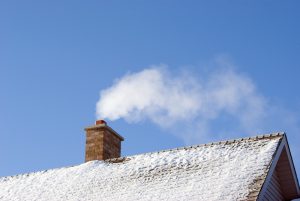 With temperatures finally cooling down for the season, you’re probably just about ready to shut down your AC system in favor for your heater.
 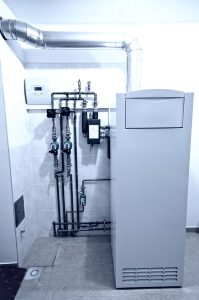 When it comes to servicing your vehicle you use for everyday transportation, it probably doesn’t take a lot of convincing for you to go in for regular tune-ups, tire-rotations, and check-ups when you’re concerned something is amiss. After all, you can either change the oil now, or prematurely change the engine later!
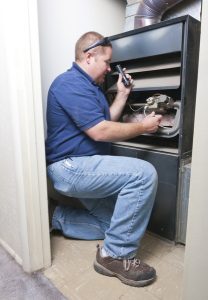 We’re officially in the throes of fall, and soon enough we’ll be graced with chillier temperatures. As a result, there are a few rather important