
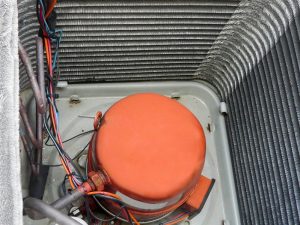
Throughout the years, there are a wide range of problems that can impact your air conditioner. This is particularly true in our climate, where are air conditioners have to work hard on a consistent basis to keep homeowners cool and comfortable. You may find yourself facing a refrigerant leak at some point, replacing capacitors eventually, and may even have to deal with damaged ductwork. Fortunately, these are all fairly expected and manageable, so long as you keep up on your annual AC maintenance sessions.
If you don’t, however, or if you just generally don’t take good care of your air conditioner, you could find yourself facing a failed compressor.
The compressor the heart of your air conditioning system is the most expensive component in your air conditioner. While in most cases when a component breaks down you just replace it, in the case of a compressor you may be better off replacing the whole entire system. Wondering why? Read on!
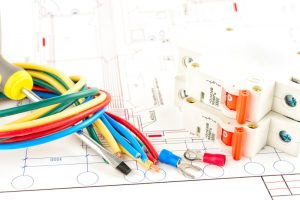 Each and every year, thousands of people die or are injured by unintentional CO (carbon monoxide) exposure or house fires. It’s a harsh statistic, but one that amplifies the importance of having properly installed smoke and CO detectors in your home. In fact, it’s the law that homes have these two devices in them when you move in, and illegal to tamper with these devices in most jurisdictions too.
 Summer is progressing right along, and with it so are warmer temperatures. Is your air conditioner up to the task? If you’re considering a new system this time of the year, chances are it’s a decision you’re a bit rushed on. We urge you however, to not make this decision in haste. Choosing a new air conditioner too quickly could leave you with an ineffective and inefficient air conditioner.
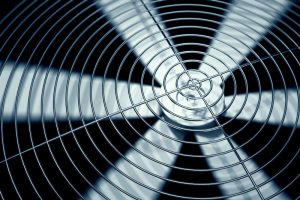 When summer temperatures are at their peak, there is only so much you can do to keep your house as cool as possible. You can keep your air conditioner well-maintained, keep the blinds on south-facing windows closed during the day, make sure you’re well equipped with the right indoor air quality products, and invest in a solar attic fan!
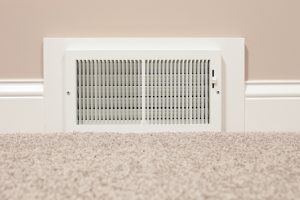 If you’ve lived in our area through even just one summer, then you know the heavy workout that your air conditioning system gets, particularly in the height of summer. Fortunately, AC systems today are extremely durable, and designed to handle the heat, when they are cared for as they should be.
 When you hear the term “air quality” do you think about the air outside or inside? Chances are, you don’t think too much about your indoor air quality because you assume that your HVAC system’s air filter takes care of it. But this isn’t true.
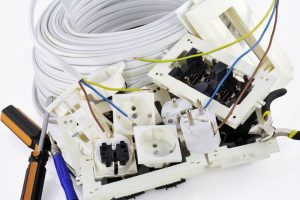 Of all the issues that can impact various areas of your home, electrical problems can be the most dangerous. A plumbing problem can inflict a lot of water damage, but an electrical problem can potentially cause house fires or electrocution. It’s essential that you have a professional electrician check the wiring in your home at least once every few years. Otherwise, you’re substantially increasing the likelihood that a problem will occur.
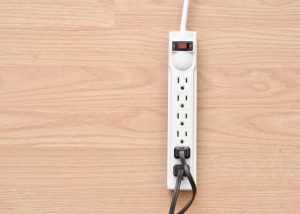 If your home is anything like the average American home, you have a lot more electrical equipment and appliances in it than ever before. You probably have multiple devices connected to your power supply and electrical grid at any given time, right? That’s great, but it’s important to know the best way to protect your appliances and power charging stations.
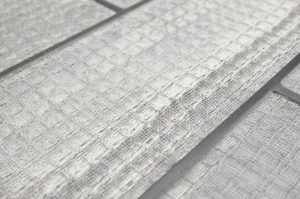 What is this one thing, you ask? A dirty air filter!
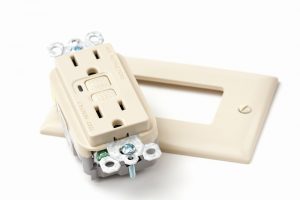 Your household’s electrical grid is easily one of the most important components in the living space. Each of your appliances requires this system to work—even gas-powered heaters use an electric starter. If your electrical system is malfunctioning, you can experience all kinds of problems.