
Covenant Heating and Cooling Blog: Posts Tagged ‘Brentwood’

Enjoy the Benefits of the Covenant Care Plan

Monday, March 10th, 2025

homeowner-and-technician-shaking-hands

When things are well cared-for, they’ll work better and last longer. This is especially true of complex systems with a lot of components, like your furnace, air conditioner, electrical system, or generator. Even your water heater in Brentwood, TN would really benefit from routine service appointments. But does that seem like a lot to keep track of? We can help!

Our Covenant Care Plan maintenance plan helps with scheduling, keeping track of, and paying lower rates for all the maintenance services your home’s complex systems need. What exactly are the benefits of joining the Covenant Care Plan and prioritizing routine maintenance in your home? Read on to find out.

Continue Reading

What Is Geothermal Heating & Cooling?

Monday, January 27th, 2025
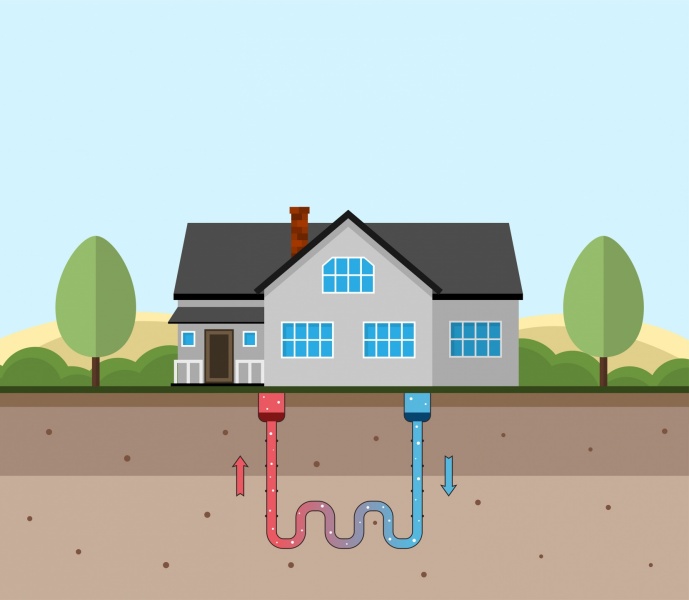
graphic-of-geothermal-piping-beneath-a-house

In ancient times, people kept warm with fires and stayed cool by avoiding the sun in deep places like caves or by catching a breeze near the water. More recently, we’ve used furnaces and air conditioners, because staying at a safe and comfortable temperature is still critical to human wellbeing. But now there are all kinds of options! Heat pumps? Ductless mini splits? What’s going on?

Geothermal heating and cooling systems might seem like science fiction. How do geothermal heating and cooling systems work, and could they be the right choice for you? What are the benefits and drawbacks? Let’s take a closer look.

Continue Reading

Save Money! Heat More Efficiently This Winter

Monday, December 2nd, 2024
person-calculating-money-saved-by-making-their-home-more-efficient

Did you know that the single largest chunk of home energy use is put toward climate control? Heating and cooling your home uses a lot of energy, which means that when the bills come due, it costs a lot of money. But it’s not as though you can simply decide not to heat your home this winter! So what can you do? Before making any decisions, it’s important to evaluate your current system to determine if upgrades or a full heating replacement are needed for better efficiency and savings. Replacing the entire HVAC system, rather than just one component, can ensure better performance, energy efficiency, and proper component compatibility.

Upgrades to your heating system, such as improved insulation or modern equipment, can boost efficiency and comfort. Upgrading to modern heating technologies can also increase your home’s value and attract more buyers if you plan to sell your home.

Several factors, such as the size and layout of your home, the type of system you choose, and the installation process, can affect the cost and effectiveness of heating replacement. The home’s size is a key factor influencing the cost of installing radiant floor heating and replacing HVAC systems, as larger homes typically require more extensive systems and higher installation costs. Upfront installation costs can be significant, but incentives, rebates, and financing options may help offset these expenses. Full HVAC system costs range from $7,000 to $17,000, and the average cost for a full HVAC replacement in a 2,000–2,500 sq ft home in 2025 is approximately $10,000–$20,000, with $14,000 being common. Choosing high-efficiency models that qualify for credits or rebates can help homeowners save on the cost of replacing their HVAC system.

High-efficiency heating systems, such as those with the ENERGY STAR label, can save homeowners up to 20 percent on heating and cooling costs. Heat pump systems are popular in NC, typically priced between $5,000 and $10,000. High-performance heat pump equipment can range from $6,000 to $20,000 for the appliance units alone, with overall costs varying by region. The ‘5,000 rule’ can help you decide whether to repair or replace: multiply your system’s age by the cost of the recommended repair—if the result exceeds $5,000, replacement is usually the better option.

Dual-fuel systems combine a heat pump with a gas furnace, offering efficient operation in moderate weather and effective heating during colder conditions. Natural gas furnaces can provide high-intensity heat where natural gas is available. Ductless mini-splits offer individual temperature control for different areas in a home and are ideal for homes without existing ductwork or for additions. High-efficiency gas furnaces can achieve AFUE ratings of 90% to 98%. Furnaces are the most common home heating option in the US and can run on electricity, natural gas, propane, or heating fuel oil. Boilers work by heating water until it turns into steam, which is then released into the air to heat the space via convectors or radiators, and the cost to install or replace a boiler can range from $2,000 to $20,000 depending on various factors. Heat pumps are the most efficient home heating option available today, as they move heat from the outside air into the home. Radiant floor heating systems distribute heat through a film or mat underneath the floor or through a hydronic system that moves heated water through subfloor piping. Electric resistance heating includes wall heaters and baseboard heaters, which are individual units that can be installed in rooms needing extra heating support. Portable heaters, also known as space heaters, are inexpensive and require no installation, making them a simple option for controlling heat in specific rooms. Furnaces distribute heat quickly, but they are one of the least efficient heating systems due to heat loss through ductwork. The average cost to replace a furnace can range from $1,800 to $4,000 for gas models, and $1,850 to $2,750 for electric models, depending on installation and ductwork conditions.

The process of heating replacement typically involves assessment, system selection, installation, and testing. Proper heating system sizing requires a manual load calculation based on home size and insulation. When you install a new system, professional installation is essential for quality results. Choosing a qualified HVAC professional is crucial for quality, safe, and code-compliant installation, which preserves equipment warranties and ensures years of efficient, reliable comfort. Poor or rushed installations can lead to higher energy bills, voided warranties, and expensive repairs down the road. To ensure a smooth process, homeowners should clear access to their existing equipment and prepare any questions for their technician before replacement.We’ve got some helpful tips for you. Check out these ways to keep your home heating as efficient as possible. You’ll save money in more ways than you might expect!

How Can You Delay Heating Replacement and Lower Winter Heating Costs?

You can delay heating replacement and reduce energy bills by improving your system’s efficiency:

  • Schedule annual professional maintenance to keep parts clean and working properly
  • Replace air filters regularly to improve airflow and reduce strain
  • Seal drafts around windows and doors to prevent heat loss
  • Open curtains during the day to use natural sunlight for warmth
  • Run ceiling fans clockwise to push warm air back down
  • Maintain indoor humidity between 30 to 55 percent for better comfort

These simple steps reduce system wear, improve performance, and help extend the life of your heating equipment.

Continue Reading

Is It Time to Replace My Furnace?

Monday, November 4th, 2024
autumn-leaves-and-pumpkins-on-wood-tabletop

The temperatures are dropping. The cool breezes are picking up. Yes, autumn in Tennessee is spectacular. It might just be the perfect time of year! But sooner or later, the temperatures will drop even more, the breezes will go from cool to freezing, and you’ll need to know that you can rely on your heating system. Well, can you? Or might it be on its last legs?

A furnace can last for many years, especially if it receives maintenance every single year. Sadly, though, nothing lasts forever. One day, the time will come when a furnace is ready to retire, and you’ll have to get a new one. Has that day arrived? We’ll help you figure that out.

How do you know when it’s time to replace your furnace?

You may need to replace your furnace if:

  • Your system is 15 to 20 years old and nearing the end of its lifespan
  • Repairs are becoming frequent or expensive
  • Energy bills are steadily increasing despite normal usage
  • Your home has uneven heating or comfort issues

Your furnace makes unusual noises or struggles to keep up in cold weather

Continue Reading

Signs Your Ductwork Needs to Be Replaced

Monday, September 23rd, 2024
technician-installing-ductwork

Ahh, ductwork, the unsung hero of the HVAC system! It does an incredible job, all year round, of carrying heated and cooled air throughout your house. It lurks within your walls or up in your attic, unseen and rarely remembered. But it is so important! We’d like to urge you to think about it now, and consider how it is doing.

But perhaps it’s hard to tell what sort of condition your ductwork is in. After all, you can’t see it. You certainly can’t see inside of it. So you have to be a ductwork detective. We’ll tell you the signs to watch for, so you can determine if your ductwork needs to be checked on by a professional and possibly replaced.

Continue Reading

Is There Mold in Your Ducts?

Monday, August 12th, 2024
person-with-expression-of-considering-a-question

Air ducts, connecting your AC and furnace to the vents throughout your home, are out of sight and often out of mind. There they sit, behind your walls or in your attic or crawl space, forgotten. How long have they been in place? And, since you can’t see inside them, what could have gotten in there? Unfortunately, there could be an unpleasant answer.

Dark and out-of-the-way places are inviting to small things like bugs and mice. Snakes have even been known to slither into them during the winter to keep warm! You might be able to hear pests as they move, but one thing you definitely won’t hear is mold. How can you tell if mold is growing in your ducts? Is it a serious problem if it’s there? And how can you eliminate it? We’ve got answers for you.

Continue Reading

Keep Your Whole House Generator Ready for Action

Monday, June 17th, 2024
lightning-in-a-stormy-night-sky

Having a whole-house generator is such a good call, especially considering all the things that can take out power for hours or even days at a time. Did you know that 40% of the tornadoes that occur in Tennessee touch down in the greater Nashville area? It’s very sensible of you to make plans to be prepared, should anything cause a power outage to your home.

But are you really prepared? Are you certain that your generator will work, with no problems, if it is needed? There’s only way to be sure that your whole house generator is ready for action: regular maintenance. Here’s why.

Why is regular generator maintenance essential for reliability?

  • Prevents wear-related issues: Running your generator causes parts to vibrate and shift—regular maintenance realigns components and tightens screws to avoid breakdowns.
  • Ensures proper lubrication: Frequent movement wears away essential lubricants; maintenance replenishes them to prevent overheating and inefficiency.
  • Removes dust and debris: Disuse lets dust, grit—or even nesting materials—accumulate; cleaning clears heat-blocking buildup and protects internal parts.

Prevents fuel degradation: Stagnant onboard fuel oxidizes, thickens, and risks overheating— maintenance flushes this old fuel to preserve performance.

Continue Reading

Tips for Switching from Heating to Cooling

Monday, May 6th, 2024
daffodils-blooming

It’s that time of year: you don’t need your heat anymore, and you’ll be needing your AC very soon. Don’t get too busy enjoying the gorgeous Tennessee springtime. There are things you should be doing! Here’s our checklist of tips on how to make a smooth transition from heating season to cooling season with your HVAC system.

Continue Reading

Troubleshooting Your Malfunctioning Furnace

Monday, March 25th, 2024
Red marker checking boxes on a printed checklist, symbolizing completed tasks related to furnace repair.

It might not be winter anymore, but there are still some chilly spring nights yet to come before we’re able to shut down our furnaces completely for the season. If you’re having heating trouble, you will need to get it sorted out or you’ll be in for some chilly discomfort! But wouldn’t it be nice if you could sort out the problem yourself without needing to get repairs done? Recognizing early signs of heating issues can help you determine whether it’s something simple—or time to call in a pro.

What steps are involved in furnace repair troubleshooting?

  • Check the circuit breaker for tripped switches or power issues
  • Ensure the thermostat is set to “Heat” and has working batteries
  • Inspect and replace a dirty or clogged air filter
  • Look for unusual noises or odors when the furnace starts
  • If problems persist, contact a professional HVAC technician for diagnosis and repair

For your safety and the wellbeing of your furnace, actual heating repairs must be done by a qualified professional. But before you decide you require the services of a heating technician, there are some things you should investigate on your own. Follow this handy furnace troubleshooting checklist, and you might be able to resolve your own heating malfunction without any assistance.

Continue Reading

A Tankless Water Heater for Valentine’s Day

Monday, February 12th, 2024
roses-and-chocolates-on-wood-tabletop

What should you get your beloved for Valentine’s Day? Roses and chocolates? Too boring and ordinary. A restaurant dinner or a romantic weekend getaway? Over too soon. What will make your beloved’s life better, last a long time, and really be worth the investment? How about a tankless water heater for Valentine’s Day?

Continue Reading