
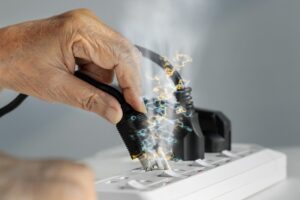
 One of the biggest misconceptions about power surges is that they only occur due to lightning storms, and you really don’t need to worry about them outside of storm season. Unfortunately, this just isn’t true.
On the contrary, power surges are caused by and impact the electrical appliances and equipment in your home. You can have dozens of small power surges in your home a week and not even know it! And since homes have more precise electrical equipment in them than ever before, it’s important to be aware of this.
You likely have multiple devices connected to your home’s power supply at any time, right? You probably also have a number of charging stations to manage your family’s smartphones and other devices. If you want to protect all these devices, then it’s important to know what a power surge really is and how its voltage can impact your home. And before you tell us you’re not worried because you have power strips in place–that’s not the most ideal solution. Read on to learn more!
 Earlier this fall, we talked about how
 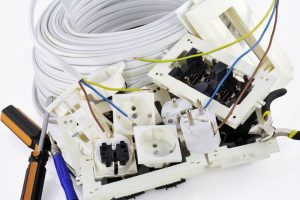 Of all the issues that can impact various areas of your home, electrical problems can be the most dangerous. A plumbing problem can inflict a lot of water damage, but an electrical problem can potentially cause house fires or electrocution. It’s essential that you have a professional electrician check the wiring in your home at least once every few years. Otherwise, you’re substantially increasing the likelihood that a problem will occur.
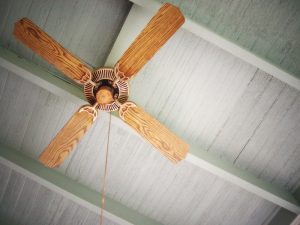 What many homeowners don’t necessarily realize about ceiling fans is that they don’t actually cool the air in the room of which they are running. In the summer, people leave their ceiling fans on all day, only to find that the room they come home to isn’t any cooler (though, it may feel a bit cooler because the air movement is hitting their skin).
 When you own a home, you typically learn pretty quickly in the first year that there are a number of problems you may deal with. Electrical issues, however, may arguably require the most attention, since they are more than inconvenient—they can be dangerous. Sure, an HVAC problem can leave you uncomfortable for a few hours—but an electrical problem could lead you to loss from a fire.
 Is it time to upgrade your older electrical panel so your system can handle more demand? Or perhaps you suspect that your home needs rewiring in certain rooms, or throughout the whole house. Whatever your
 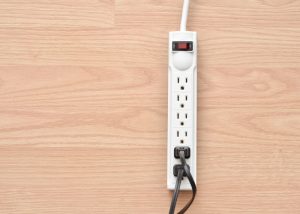 “I’ve never had a problem with my electrical system during a storm, so I don’t need surge protection.” If you’ve ever had this thought, we encourage you to reconsider. Surge protection protects your electronics and electrical appliances from power surges—which yes, are sometimes created by storm-like weather, but that is not always the case. In fact, it’s rarely the case.