
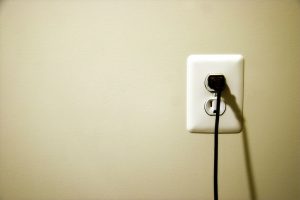
 If there is one system we take for granted the most in our homes these days, it’s probably the electrical system. After all, we’ve had it available throughout our lives—for decades. It’s just always there and we’ve come to expect it. This is a great thing, however, it can lead homeowners to neglect the potential hazards involved with electricity, particularly if they need rewiring.
So, today we want to discuss some of the warning signs that indicate you may have an issue with your electrical wiring. Not all of these are indicative of an emergency situation, but they can certainly become an emergency if ignored for too long. Compromised wiring leads to electrocution risk as well as fire risk—both of which we’d like to help you avoid at all costs.
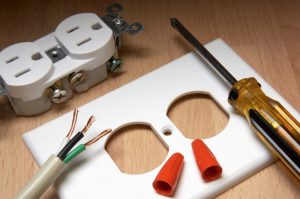 Of all the possible issues that can negatively impact your home, electrical problems are probably the most dangerous. While a plumbing problem can inflict a significant amount of water damage and an HVAC issue can leave you uncomfortable for a while, an unchecked electrical problem can result in electrocution or fire. Therefore, it’s essential that you have your wiring checked at least once every few years—without this inspection you’re substantially increasing the likelihood that a problem will occur.
 It may be out of sight, but it should never be out of mind—your electrical system, that is. The electrical components of your home are a critical part of your daily life. Without electricity, you wouldn’t be able to turn on your air conditioner, conveniently wash your clothes, or even keep your refrigerated food cold. It’s a necessity no matter where you live and what day of the year it is. Therefore, electrical maintenance should be a priority for your family.
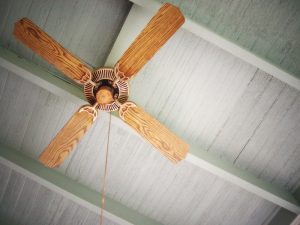 What many homeowners don’t necessarily realize about ceiling fans is that they don’t actually cool the air in the room of which they are running. In the summer, people leave their ceiling fans on all day, only to find that the room they come home to isn’t any cooler (though, it may feel a bit cooler because the air movement is hitting their skin).
 When you own a home, you typically learn pretty quickly in the first year that there are a number of problems you may deal with. Electrical issues, however, may arguably require the most attention, since they are more than inconvenient—they can be dangerous. Sure, an HVAC problem can leave you uncomfortable for a few hours—but an electrical problem could lead you to loss from a fire.
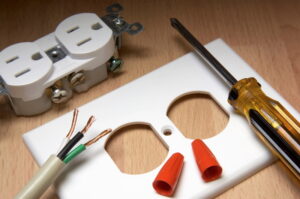 Is it time to upgrade your older electrical panel so your system can handle more demand? Or perhaps you suspect that your home needs rewiring in certain rooms, or throughout the whole house. Whatever your
 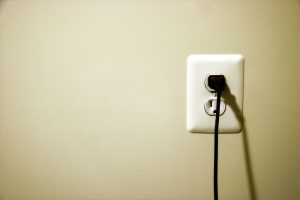 Whether we’re talking about rewiring or an electrical panel upgrade, chances are if you’re in a home over a few decades old, you’re going to need one or both of them at some time. Electrical problems are nothing to mess with. While a plumbing problem can inflict water damage and an HVAC issue can inconveniently leave you uncomfortable for a little while, electrical problems are actually dangerous.
 No, we’re not talking about surge protection. Though that is an important addition to your electrical system to protect your electronics and appliances from power surges, what we’re actually talking about is your generator. If you already have a whole-house generator in place, then you’re in good shape. But how well are you taking care of that system? It may be time for you to call for your annual
 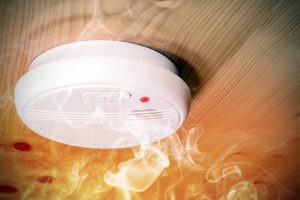 Of course, there’s never a bad time to test your carbon monoxide or smoke detectors. But as we edge closer to cooler temperatures, it is especially important to mention this, since soon enough you’ll be using your heating system on a regular basis. While heaters are not always the cause of house fires or CO exposure risk, they certainly can cause a home hazard if not properly maintained.
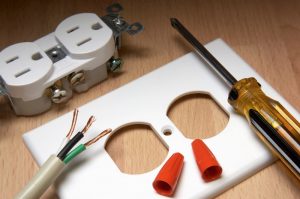 When it comes to having electrical work done in your home, you probably know already that there are safety risks involved. But still, it seems more convenient and less costly to try to complete electrical installations and wiring jobs on your own, doesn’t it? Unfortunately, in most cases, you’ll be sacrificing your time and effort in doing so, as well as potentially your safety.