Many of us love to take on DIY projects or handle fixing issues around the house ourselves. Some people do it to save a few bucks. While others do it because they like the challenge of learning the skills and the accomplishment of a job well done. However, there are certain things you need to rely on an expert for, especially when it comes to AC installation in Hermitage, TN.
In this article, we will discuss some of the problems and pitfalls that you’ll come across when trying to install an AC system yourself.
It’s time to plan for summer! Soon enough, we’ll have consistently warm temperatures, and that means you need to have a fully functional air conditioner running pretty much 24/7.
“Wait,” you might be wondering, “Can I run my air conditioner 24/7?”
The answer is, “yes and no.” We get it, that’s a frustrating response, but bear with us! We will elaborate.
You see, there’s no problem having your air conditioner set to “cool” 24/7 during the summer. The “problem” arises when you set your thermostat so low that your air conditioner can’t possibly reach the desired setting, and therefore the compressor keeps cycling on and even staying on when it shouldn’t. This is what gets inefficient and leads to exacerbated wear and tear.
Read on as we teach you about something called the temperature differential and learn how to use your cooling system in the best and most efficient way possible!
Before you get too enthusiastic, we need to clarify this is not a “how-to” guide. We generally do not recommend that homeowners do any repairs on their air conditioners themselves. Aside from changing the air filter or tightening a loose screw on a panel of the outdoor unit of the cooling system, trying to resolve repair needs on your own can do more harm than good, and leave you needing to call in a professional anyway. For complex air conditioning problems, it’s essential to have a trained technician diagnose the issue to ensure an accurate and efficient solution. Scheduling end-of-season air conditioning service is also important to keep your system running efficiently and to catch potential issues early. Attempting DIY repairs can be risky, so it’s always best to hire certified professionals for air conditioning repair to guarantee quality service and proper system operation.
What does air conditioning repair include?
Air conditioning repair typically includes the following services:
Diagnosing issues like poor airflow or lack of cooling
Fixing refrigerant leaks and recharging refrigerant levels
Replacing worn or damaged components such as capacitors or motors
Repairing or replacing faulty thermostats
Addressing electrical problems or sensor failures
Cleaning coils and ensuring proper airflow
Testing the system to confirm restored performance
What this is a guide for is the most common questions that come up in regards to air conditioning repairs like how long they’ll last and why that matters, how much AC repairs cost, and if AC repairs can be prevented. We’ll also address how to ensure your system is working properly to maintain comfort and efficiency. Read on to learn the answers to these questions.
With temperatures already warming up, if you’re asking which air conditioner is best for your home now, chances are that you need it pretty urgently. That said, this is definitely a purchase you don’t want to just rush into, as that can leave you with an inefficient or improperly installed cooling system.
If you’ve stumbled across this blog post, it probably means that you already understand this shouldn’t be a rushed decision. In that case, read on to uncover the different types of air conditioners we install and service, and what their different features and benefits are.
When your air conditioner runs, it isn’t completely silent. You may hear a majority of sounds when your unit turns on and off. Minimal noise is usually OK, but there are some sounds that indicate something is wrong. But how do you know the difference between good and bad sounds coming from your air conditioner?
There are five sounds your air conditioning unit should never make. If you hear one of these sounds, it’s time to call in an expert. A certified air conditioning technician can troubleshoot the sounds to determine the cause and fix the problem. Addressing concerns early on can help to prevent additional damage to your unit.
Summer is around the corner. When your home starts to get hot you want your AC unit to work right every time to cool down your home or business. Air conditioning makes your space comfortable, but that’s not the most important factor. A cool space also ensures that all of your belongings are well-kept and don’t sustain damage from heat and humidity.
Even if your air conditioner runs and cools, do you know if it is working efficiently? There are ways that you can help your AC unit run efficiently. This leads to less stress on your unit and a potentially lower power bill thanks to less energy use. Simple adjustments can make a big difference, like using your air conditioner more efficiently with better thermostat settings and airflow strategies.
While we may not get the harsh blizzard conditions that they do in other parts of the country, we do still have winter–and with that we also have below-freezing temperatures some nights! So when we’re asked if homeowners should be winterizing their air conditioners, the answer is, “probably!” Read on to learn what this means.
Chances are, you’re looking forward to weather cooling so you don’ thave to use your air conditioner as much. But that doesn’t mean you should forget about it altogether! Just because you won’t need it this fall and winter doesn’t mean you can neglect it for a while. Read on as we uncover some steps you can take towards preparing your AC system for winter, so you can rely on it working well for you next spring too.
Although we’ll still be dealing with warmer temperatures for a while, there is no denying that the official end of summer is just around the corner. Soon enough, it will be time for you to start thinking about your heating system. In fact, it’s not too early to schedule your next heating maintenance tune-up! In the meantime, you’ve likely been using your air conditioner pretty consistently over the last few months, and the last thing you need now is a sudden breakdown or a huge repair issue when you still need the system. Your end-of-summer AC repair guide can help you spot potential issues before they get worse.
What are the best end-of-season AC repair tips?
To prepare your AC for the off-season, start by replacing or cleaning the air filter. Clear debris around the outdoor unit and clean the condenser coils. Check for refrigerant leaks or strange noises that occurred during summer. Schedule professional maintenance if your system struggled to cool efficiently or hasn’t been serviced recently.
We have some good news! Most air conditioning repair needs show their symptoms way before they force the air conditioner to shut down. So if you notice anything now,schedule expert AC repair today! This way you know you’ll be able to rely on your system to get you through the rest of summer.
Remember, it’s never a good idea to attempt diagnosing or repairing a faulty air conditioner by yourself, especially since there are potentially dangerous components, like refrigerant. However, you can absolutely spot the signs that it’s time to call a pro, and reach out to our team when that time comes. Read on to learn about some of the symptoms that indicate an air conditioner is in disrepair.
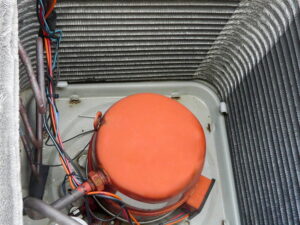
Did you know that your air conditioner’s compressor is considered the “heart” of your air conditioning system? It is the component that causes the refrigerant to move through the rest of the system and transfer heat from inside your home and expel it outside. When the compressor fails, the air conditioner essentially fails. The fans might still operate, but you’ll notice that no cooled air will come through the vents. This type of issue may resemble other cooling problems, like whenyour AC isn’t cooling properly, making accurate diagnosis critical.
Since the compressor is so essential, and an expensive component to replace, homeowners have a big decision to face when theirs fails.
So let’s say this is you, your compressor has failed and there’s no bringing it back to life. You had an HVAC technician out to take a look and it’s fried. You have a few options at this point:
Replace just the compressor.
Replace the entire outdoor unit.
Replace the entire air conditioner.
Read on to learn what the best option might be for your home!
“How do I know if my air conditioner is the right size?” is the question that’s probably on your mind after reading the title of this blog post.
And the answer is a little tricky.
If you have your air conditioner installed by a team of qualified professionals who help you choose that air conditioner, and come to your home before doing so, then you don’t need to worry about it–your air conditioner will be properly sized.
Appropriate AC size is determined by a process called a cooling load calculation. This is one of the most important parts of AC installation and if not done correctly can lead to a number of problems, including premature replacement. Read on to learn more!




 While we may not get the harsh blizzard conditions that they do in other parts of the country, we do still have winter–and with that we also have below-freezing temperatures some nights! So when we’re asked if homeowners should be winterizing their air conditioners, the answer is, “probably!” Read on to learn what this means.