
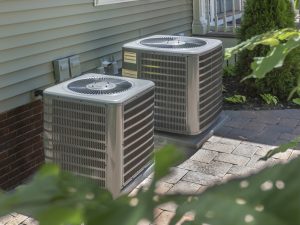
 If you’ve lived in the Bowling Green area through even just one summer, then you know how stifling hot it can get, and how much you’ll be using your air conditioner. So long as it is properly cared for through comprehensive maintenance and prompt repairs when necessary, it’s durable to handle that heat—but what happens when you find yourself paying more than you thought you would in order to cool your home?
Barring any problems with your air conditioner—which should be resolved through maintenance and repairs—there are some simple steps you can take to boost the efficiency of your system and subsequently spend less money while using it. What are these steps, you ask?
 If there is one system we take for granted the most in our homes these days, it’s probably the electrical system. After all, we’ve had it available throughout our lives—for decades. It’s just always there and we’ve come to expect it. This is a great thing, however, it can lead homeowners to neglect the potential hazards involved with electricity, particularly if they need rewiring.
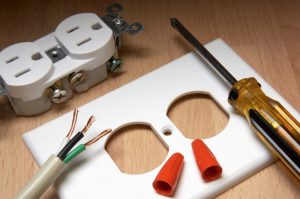 Of all the possible issues that can negatively impact your home, electrical problems are probably the most dangerous. While a plumbing problem can inflict a significant amount of water damage and an HVAC issue can leave you uncomfortable for a while, an unchecked electrical problem can result in electrocution or fire. Therefore, it’s essential that you have your wiring checked at least once every few years—without this inspection you’re substantially increasing the likelihood that a problem will occur.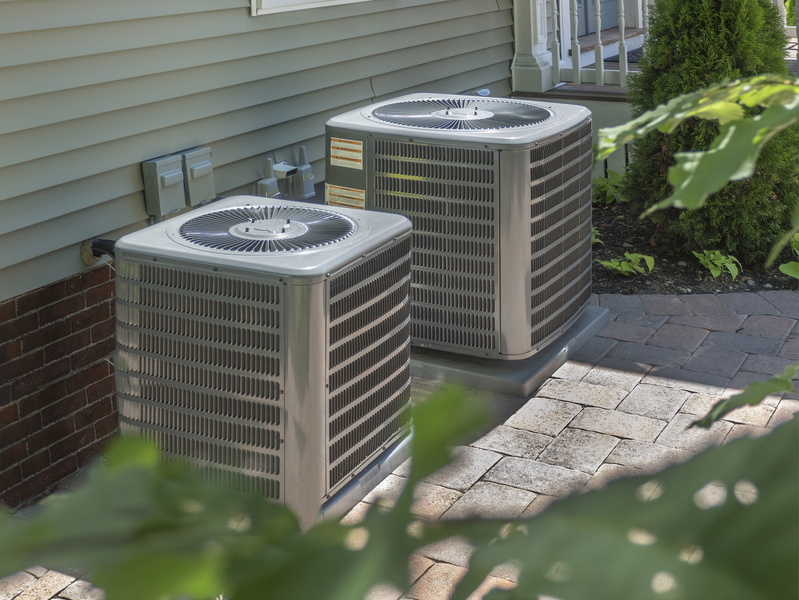
 It may be out of sight, but it should never be out of mind—your electrical system, that is. The electrical components of your home are a critical part of your daily life. Without electricity, you wouldn’t be able to turn on your air conditioner, conveniently wash your clothes, or even keep your refrigerated food cold. It’s a necessity no matter where you live and what day of the year it is. Therefore, electrical maintenance should be a priority for your family.
 If last week was any indication, summer is well on its way. And unfortunately, summer is the most likely season for AC system to develop problems. After all, they’re placed under a lot of stress this time of the year, and the wear and tear on the components makes it more likely for it to break down.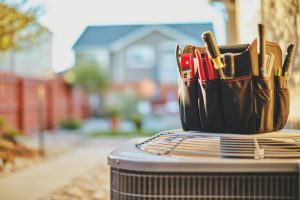
 Nashville homeowners often don’t realize that the quality of their indoor air can be worse than that of outdoors. This is because homes today are constructed so they are tightly sealed—this is great news for your HVAC efficiency, but it also means contaminants get trapped inside, where they cause allergy and asthma symptoms for occupants.
  Spring is almost here! That means it’s almost time to turn on your air conditioner and you don’t have to worry about a failing furnace, right?
 As reported by