Also referred to as the circuit breaker panel of your home, the electrical panel is designed to take in so much voltage, and assign it to the various electrical components and wires throughout your living space.
If you have a circuit breaker panel that is aging, or even worse if you have a fuse box, then you are not supplying power to your home as safety as you could be, and you are likely due for an electrical panel upgrade. Most electrical panels last anywhere from 25-40 years before needing replacing, but this largely depends too on how much the electrical demand has grown in your household in that time, and if you’ve ever experienced problems with your current electrical panel.
Keep reading as we uncover some signs that it is, indeed, time for you to upgrade your electrical panel.
While we may not get the harsh blizzard conditions that they do in other parts of the country, we do still have winter–and with that we also have below-freezing temperatures some nights! So when we’re asked if homeowners should be winterizing their air conditioners, the answer is, “probably!” Read on to learn what this means.
Chances are, you’re looking forward to weather cooling so you don’ thave to use your air conditioner as much. But that doesn’t mean you should forget about it altogether! Just because you won’t need it this fall and winter doesn’t mean you can neglect it for a while. Read on as we uncover some steps you can take towards preparing your AC system for winter, so you can rely on it working well for you next spring too.
Although we’ll still be dealing with warmer temperatures for a while, there is no denying that the official end of summer is just around the corner. Soon enough, it will be time for you to start thinking about your heating system. In fact, it’s not too early to schedule your next heating maintenance tune-up! In the meantime, you’ve likely been using your air conditioner pretty consistently over the last few months, and the last thing you need now is a sudden breakdown or a huge repair issue when you still need the system. Your end-of-summer AC repair guide can help you spot potential issues before they get worse.
What are the best end-of-season AC repair tips?
To prepare your AC for the off-season, start by replacing or cleaning the air filter. Clear debris around the outdoor unit and clean the condenser coils. Check for refrigerant leaks or strange noises that occurred during summer. Schedule professional maintenance if your system struggled to cool efficiently or hasn’t been serviced recently.
We have some good news! Most air conditioning repair needs show their symptoms way before they force the air conditioner to shut down. So if you notice anything now,schedule expert AC repair today! This way you know you’ll be able to rely on your system to get you through the rest of summer.
Remember, it’s never a good idea to attempt diagnosing or repairing a faulty air conditioner by yourself, especially since there are potentially dangerous components, like refrigerant. However, you can absolutely spot the signs that it’s time to call a pro, and reach out to our team when that time comes. Read on to learn about some of the symptoms that indicate an air conditioner is in disrepair.
Did you know that your air conditioner’s compressor is considered the “heart” of your air conditioning system? It is the component that causes the refrigerant to move through the rest of the system and transfer heat from inside your home and expel it outside. When the compressor fails, the air conditioner essentially fails. The fans might still operate, but you’ll notice that no cooled air will come through the vents. This type of issue may resemble other cooling problems, like whenyour AC isn’t cooling properly, making accurate diagnosis critical.
Since the compressor is so essential, and an expensive component to replace, homeowners have a big decision to face when theirs fails.
So let’s say this is you, your compressor has failed and there’s no bringing it back to life. You had an HVAC technician out to take a look and it’s fried. You have a few options at this point:
Replace just the compressor.
Replace the entire outdoor unit.
Replace the entire air conditioner.
Read on to learn what the best option might be for your home!
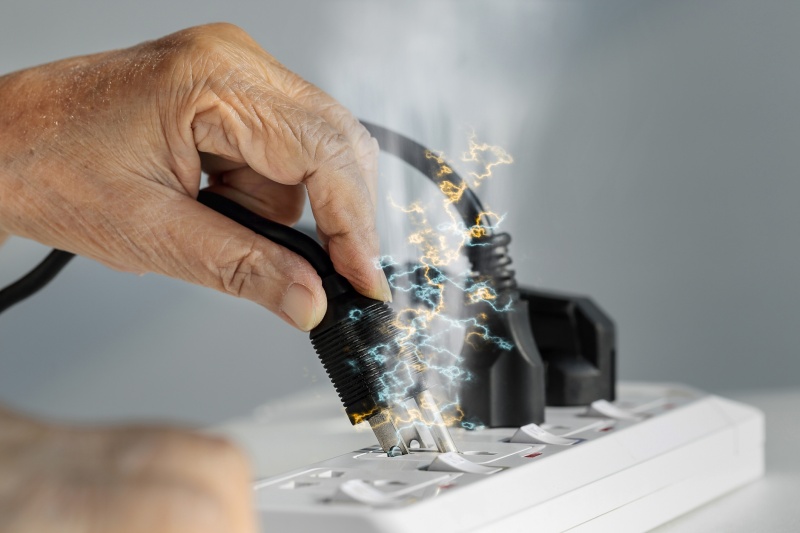
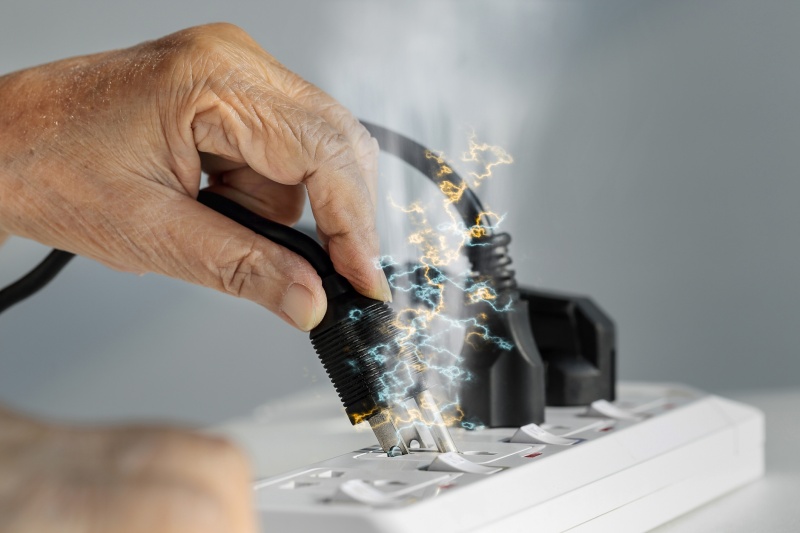
One of the biggest misconceptions about power surges is that they only occur due to lightning storms, and you really don’t need to worry about them outside of storm season. Unfortunately, this just isn’t true.
On the contrary, power surges are caused by and impact the electrical appliances and equipment in your home. You can have dozens of small power surges in your home a week and not even know it! And since homes have more precise electrical equipment in them than ever before, it’s important to be aware of this.
You likely have multiple devices connected to your home’s power supply at any time, right? You probably also have a number of charging stations to manage your family’s smartphones and other devices. If you want to protect all these devices, then it’s important to know what a power surge really is and how its voltage can impact your home. And before you tell us you’re not worried because you have power strips in place–that’s not the most ideal solution. Read on to learn more!
“How do I know if my air conditioner is the right size?” is the question that’s probably on your mind after reading the title of this blog post.
And the answer is a little tricky.
If you have your air conditioner installed by a team of qualified professionals who help you choose that air conditioner, and come to your home before doing so, then you don’t need to worry about it–your air conditioner will be properly sized.
Appropriate AC size is determined by a process called a cooling load calculation. This is one of the most important parts of AC installation and if not done correctly can lead to a number of problems, including premature replacement. Read on to learn more!
When we’re in the middle of a hot and sticky summer, there’s only so much a homeowner can do to keep their living space cool. You can make sure you keep your air conditioner tuned-up properly, that you keep your blinds and curtains closed in the middle of the day to keep the sunshine out (especially on south facing windows), and run your solar attic fan!
Wait, what’s that? You haven’t invested in a solar attic fan yet? Well not to worry, it’s never too late!
Wondering what the benefits are? Consider this: On the hottest days of summer, the sun beats down on your roof for hours, while humidity lingers both outside and in your home. Your air conditioner keeps running to try to keep you home cool enough, with its compressor running for longer and longer. Your air conditioner can actually struggle with this, causing exacerbated wear and tear and higher than average energy bills. Fortunately, a professionally installed solar attic fan can help prevent this.
With the official start of summer upon us, it’s time for homeowners to ask themselves if their air conditioners are up to the task of keeping them cool and comfortable throughout the coming months, at a relatively low cost. If not, and if your air conditioner has reached 10-15 years of age, then it may very well be time to replace the system. The question is now, should you replace your conventional central air conditioner with a ductless system?
If so, you’ve definitely come to the right team! But what if you’re still unsure? After all, a ductless air conditioning system (and heating system) is a great, efficient choice for many homes, but it’s not the best choice for all homes. Read on to learn if its right for yours.
We all have a genre of music that we prefer. Maybe your chosen type is classical or instrumental. If so, you’ll likely enjoy a good orchestra… unless the performance is coming from your air conditioning system. That level of noise and the many sounds it entails is bad news for the operation of your AC.
To put it bluntly, a noisy AC needs some help. If you start to notice any of the sounds we’ve listed coming from your system then you’ll need to contact us for professional repairs. The sooner you get these noises addressed, the better it will be for your system and your comfort in the long run.
The one thing you should know about your air conditioner is that it takes a lot of different components working together for the system to function as efficiently and effectively as it’s meant to, and to perform at all. It’s a complex electronic appliance with many wires, switches, motors, and capacitors. When something goes amiss with this system, it’s always solvable—but you need to call on an experienced pro for the job.
If your air conditioner isn’t working, even if you’re sure you know why, it’s time to give us a call. In the meantime, read on to learn about how your AC problems could be connected to one AC component in particular—a capacitor.